Organova
A considered approach to organization
Less but Better
A quieter home begins by keeping what serves a purpose, giving every object a place, and choosing storage that feels as considered as the room around it.
Organova approaches home organization as a form of editing. Not more containers, more compartments, or more visual noise. Instead, fewer decisions, clearer routines, and pieces selected to work beautifully within everyday life.
01 Reduce the visual noise
02 Create useful structure
03 Choose lasting forms
04 Make order feel natural
Our organizing philosophy
Order without excess.
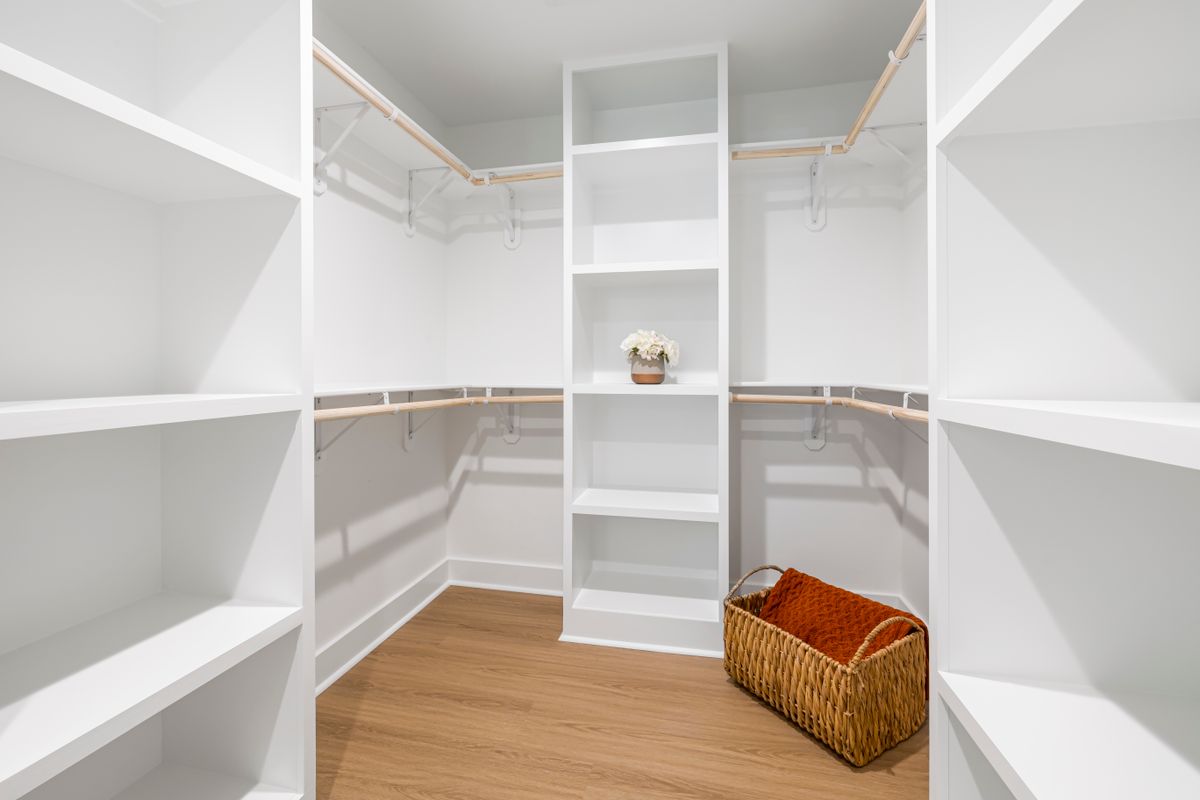
The useful edit
A home should feel lighter.
The point of organization is not to make a home look untouched. It is to make everyday movement easier: opening a drawer without searching, reaching for pantry staples without rearranging a shelf, finding shoes without creating a pile, or finishing laundry without creating another holding zone.
Our view Good organization is visible in the ease of a room, not in the number of organizers inside it.
The Organova edit
Nine ways to create calm.
Our assortment follows the places where clutter most often interrupts daily life. Each category is selected around access, proportion, durability, and visual restraint.
01 Cabinet Organizers Vertical space, shelves, corners ↗ 02 Drawer Organizers Daily tools, divided clearly ↗ 03 Pantry Containers Food storage with visibility ↗ 04 Shower Organizers Wet-zone storage, simplified ↗ 05 Laundry Hampers Collection, sorting, movement ↗ 06 Shoe Storage Entryways, closets, rotation ↗ 07 Garment Storage Seasonal and everyday wardrobes ↗ 08 Bins & Baskets Open storage, softened visually ↗ 09 Underbed Storage Hidden capacity, easy retrieval ↗
A system that stays useful
Organize around behavior.
The most successful storage follows the natural route of the home. What is used together should live together. What is used daily should remain easy to reach. What is seasonal can move farther away. What creates visual noise can be contained without becoming inaccessible.
01 Frequency
Give the easiest access to objects used most often.
02 Proximity
Store an item close to the place where the action happens.
03 Visibility
Choose open or concealed storage according to how quickly an item needs to be found.
04 Reset
Make returning an item easier than leaving it somewhere temporary.
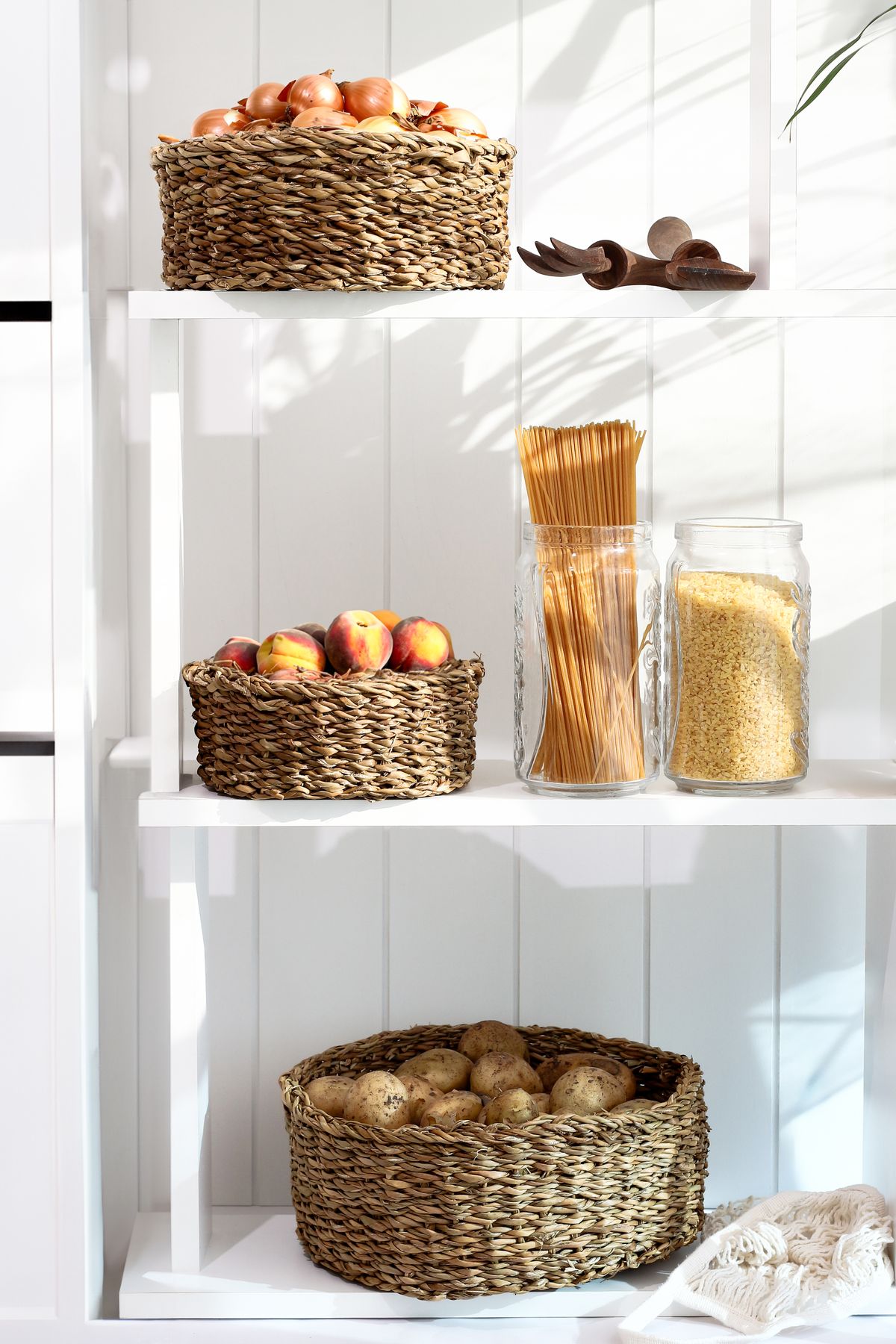
Three levels of order
Start where friction lives.
You do not need to reorganize an entire home at once. Begin with the place that repeatedly slows you down, solve that specific problem well, then let the system expand naturally.
What you reach for.
Start with drawers, cabinets, pantry shelves, shower storage, and entry points. These high-frequency spaces benefit most from clear zones and immediate access.
What moves through the home.
Laundry, shoes, garments, and household essentials need systems that support movement. Collection and return should feel equally straightforward.
What stays out of sight.
Underbed storage, baskets, and garment solutions can hold seasonal or occasional items without turning hidden areas into forgotten ones.
“
The goal is not an empty home. It is a home where what remains has enough space to be useful.
Selection standards
Useful by design.
A product earns its place by solving a recognizable storage problem clearly and without unnecessary complexity.
We favor proportions that make efficient use of cabinets, drawers, closets, bathrooms, laundry areas, and overlooked spaces.
Forms and finishes should sit comfortably within a home instead of making storage feel like another layer of visual clutter.
A useful system should be simple to clean, refill, move, sort, and reset as routines change.
Whenever possible, we look for products that adapt across rooms, uses, and changing household needs.
Questions to consider
Before adding storage.
Should I buy organizers before decluttering?
Usually, no. Editing first helps you understand the actual amount, size, and frequency of what needs to be stored. That makes it easier to choose a solution based on a real need instead of trying to organize unnecessary volume.
How do I decide between open and concealed storage?
Use open storage for frequently accessed items that can remain visually calm and concealed storage for categories that are irregular, visually busy, seasonal, or better protected from dust.
What makes an organizing system easy to maintain?
Simple categories, enough breathing room, obvious placement, and quick access. If putting something away requires several extra steps, the system is more likely to break down during busy routines.
How much empty space should I leave?
Enough that objects can be removed and returned without shifting an entire category. A small amount of open capacity also allows the system to adapt naturally instead of immediately becoming overcrowded.
Where should I begin if the whole home feels cluttered?
Start with one frequently used area that creates repeated frustration, such as a kitchen drawer, bathroom cabinet, pantry shelf, laundry zone, or entryway. A small system that works is more valuable than a large reset that cannot be maintained.
A more considered home
Keep what works. Organize what remains.
Explore the categories that support your everyday routines, then build your system one useful decision at a time.
Return to the Organova Edit